Description
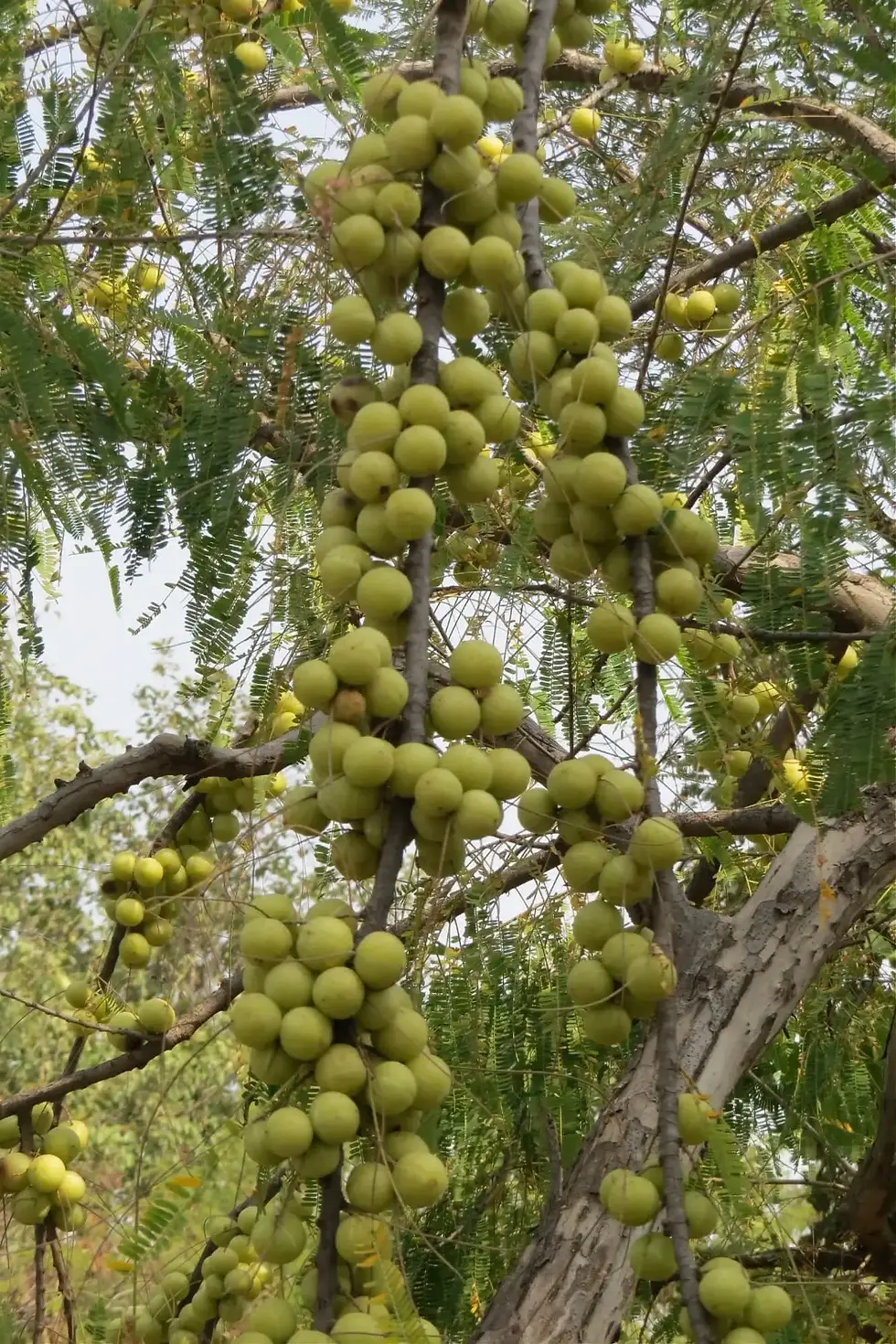
Amla (Phyllanthus emblica), or Indian gooseberry, is a small green fruit widely used in Ayurveda for its high vitamin C content and rejuvenating properties. It also contains tannins, flavonoids, and polyphenols that strengthen antioxidant defenses, support collagen production, and aid digestion. Amla is valued for immune balance, liver protection, and promoting vitality across all ages. It appears in foods, juices, powders, and tonics, and remains one of the most respected fruits in traditional and modern herbal medicine.
Functions in the Body
Category
Deficiency Symptoms
Members unlock a concise, item-specific overview of what low levels (or low functional availability) may be associated with, written in neutral, non-diagnostic terms and limited to commonly referenced deficiency-pattern symptoms where applicable
Synergists & Antagonists
Members unlock practical pairing and separation notes that cover both supportive combinations and common blockers (supplements, fibers, binders, and absorption modifiers), plus clear “avoid/space” guidance where interactions are plausible

Amla
Warnings
High doses may cause diarrhea or gastrointestinal discomfort in sensitive individuals.
Food Sources
Amla is eaten fresh, pickled, candied, or dried, and also used in juices, powders, and tonics.
Time Frame
Members unlock simple timing guidance (with meals vs empty stomach, morning vs evening where it matters), keeping it consistent and practical without over-prescribing exact schedules
Disclaimer
Information on this page is for general educational purposes and is not medical advice. Nutrients and bioactive compounds can interact with medications and may cause adverse effects; consult a qualified clinician before use if on medication, pregnant/breastfeeding, under 18, or managing a medical condition. Stop use and seek medical advice if concerning symptoms occur.