No eligible iHerb link is available for this item yet.
Available on iHerb
#Ad
No eligible iHerb link is available for this item yet.
Available on Amazon
#Ad
Anise Essential Oil is steam-distilled from the seeds of Pimpinella anisum, a Mediterranean herb with an intensely sweet, licorice-like aroma. Rich in anethole, it carries a warm, spicy depth often sought in aromatic infusions. Used in inhalation, it imparts a clarifying effect, while diluted topical application delivers a warming sensation. Its bold fragrance complements fennel, cinnamon, and citrus oils, enhancing layered scent profiles. A staple in perfumery and herbal traditions, this oil remains a valued element in botanical preparations.
This page has 11 references.
Category
Spice Oils
Description
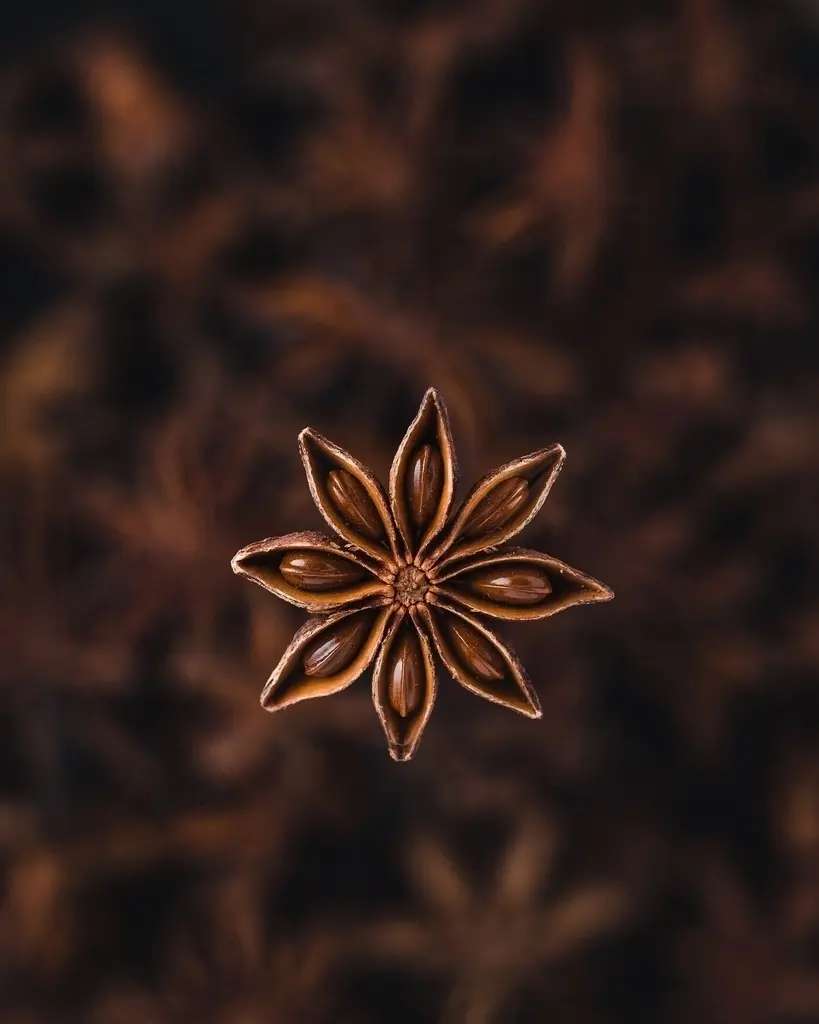

Anise Essential Oil
Botanical Name
Pimpinella anisum L., Illicium verum
Common Names
Anise Seed, Aniseed, Anisum Officinalis, Anisum Vulgare
Color
Clear
Aroma Family
Anisic, Spicy
Main Constituents
(E)-Anethole, Foeniculin, Methyl Chavicol, Limonene, Linalool, Nerolidol, Cinnamyl Acetate
Properties
Anise essential oil provides analgesic, antibacterial, antifungal, anti-inflammatory, antimicrobial, antioxidant, emmenagogue, galactagogue, hormone balancer, carminative, and expectorant properties. Its versatile benefits make it ideal for digestive and respiratory support.
Directions For Use
To use anise oil, add 4 drops to your diffuser for aromatic benefits. For internal use, follow the brand's guidelines carefully. For topical application, dilute 3 drops of anise oil with 10 ml of a carrier oil and apply to the skin.
To use anise oil, add 4 drops to your diffuser for aromatic benefits. For internal use, follow the brand's guidelines carefully. For topical application, dilute 3 drops of anise oil with 10 ml of a carrier oil and apply to the skin.
Oil Applications
Anise seed and star anise oils stimulate lactation, relieve symptoms of amenorrhea, and aid with respiratory issues like coughs, asthma, and chest infections. Their antifungal properties help treat athlete’s foot, toenail fungus, and ringworm. Internally, they support digestion, reduce bloating, and help regulate blood sugar. In aromatherapy, they act as expectorants, relieving congestion, while their uplifting aroma combats fatigue, boosts energy, and alleviates stress and burnout.
Anise seed and star anise oils stimulate lactation, relieve symptoms of amenorrhea, and aid with respiratory issues like coughs, asthma, and chest infections. Their antifungal properties help treat athlete’s foot, toenail fungus, and ringworm. Internally, they support digestion, reduce bloating, and help regulate blood sugar. In aromatherapy, they act as expectorants, relieving congestion, while their uplifting aroma combats fatigue, boosts energy, and alleviates stress and burnout.
Aromatic Profile
Anise oil features a unique aromatic profile that is spicy, sweet, and reminiscent of licorice, creating a warm and inviting ambiance.
Safety Considerations
Anise essential oil may cause skin sensitivity in some individuals, so always dilute and patch test before topical use. Keep it out of reach of children, and consult a physician if you are pregnant, nursing, or under medical care. Avoid contact with eyes, inner ears, mucosa, and sensitive areas, and do not use internally unless supervised by a qualified clinician. Due to its estrogenic properties, avoid use in cases of endometriosis or estrogen-sensitive cancers.
Anise essential oil may cause skin sensitivity in some individuals, so always dilute and patch test before topical use. Keep it out of reach of children, and consult a physician if you are pregnant, nursing, or under medical care. Avoid contact with eyes, inner ears, mucosa, and sensitive areas, and do not use internally unless supervised by a qualified clinician. Due to its estrogenic properties, avoid use in cases of endometriosis or estrogen-sensitive cancers.
Blends Well With
Ambrette, Black Pepper, Caraway, Cardamom, Cedarwood, Cinnamon, Clove, Coriander, Cypress, Dill, Fennel, Frankincense, Geranium, Ginger, Jasmine Juniper...
References
[1] Mosavat SH, Rahimi Jaberi A, Sobhani Z, et al. Efficacy of anise (Pimpinella anisum L) oil for migraine headache: a pilot randomized placebo-controlled clinical trial. J Ethnopharmacol. 2019;236:155-60.
[2] Mosaffa-Jahromi M, Bagheri Lankarani K, Pasalar M, et al. Efficacy and safety of enteric-coated capsules of anise oil to treat irritable bowel syndrome. J Ethnopharmacol. 2016;194:937-46.
[3] Mosaffa-Jahromi M, Tamaddon AM, Afsharypuor S, et al. Effectiveness of anise oil for treatment of mild to moderate depression in patients with irritable bowel syndrome: a randomized active- and placebo-controlled clinical trial. J Evid Based Complementary Altern Med. 2017;22(1):41-6.
[4] European Medicines Agency; Committee on Herbal Medicinal Products (HMPC). Community herbal monograph on Pimpinella anisum L., aetheroleum. EMA/HMPC/321185/2012. Compiled November 12, 2013. First published June 18, 2014.
[5] European Medicines Agency; Committee on Herbal Medicinal Products (HMPC). Assessment report on Pimpinella anisum L., fructus and Pimpinella anisum L., aetheroleum. EMEA/HMPC/321181/2012. Compiled November 12, 2013. First published June 18, 2014.
[6] European Medicines Agency; Committee on Herbal Medicinal Products (HMPC). Public statement on the use of herbal medicinal products containing estragole. Revision 1 (Corr 1). EMA/HMPC/137212/2005 Rev 1 Corr 1. First published February 14, 2020. Last updated June 9, 2023.
[7] Dumitrescu E, Muselin F, Tîrziu E, et al. Pimpinella anisum L essential oil: a valuable antibacterial and antifungal alternative. Plants (Basel). 2023;12(13):2428.
[8] Tisserand R, Young R. Essential Oil Safety: A Guide for Health Care Professionals. 2nd ed. Churchill Livingstone; 2014.
[9] Rhind JP, Pirie D. Essential Oils: A Handbook for Aromatherapy Practice. 2nd ed. Singing Dragon; 2012.
[10] Schnaubelt K. Advanced Aromatherapy: The Science of Essential Oil Therapy. Healing Arts Press; 1998.
[11] Guenther E. The Essential Oils. Vol 4. Individual essential oils of the plant families: Gramineae, Lauraceae, Burseraceae, Myrtaceae, Umbelliferae, and Geraniaceae. D Van Nostrand Co; 1950.
Disclaimer
Information on this page is for general education only and is not medical advice. Essential oils are highly concentrated and may cause irritation, burns, or allergic reactions; always dilute for skin use, patch test first, avoid eyes and mucous membranes, and keep away from children and pets. Do not ingest essential oils unless specifically directed by a qualified clinician and the product provides clear oral dosing and safety instructions; consult a professional before use if pregnant, breastfeeding, or managing a medical condition.