No YouTube videos are currently available for this pose; as soon as eligible videos become available, we’ll add them here.
Watch on YouTube
#Ad
Description
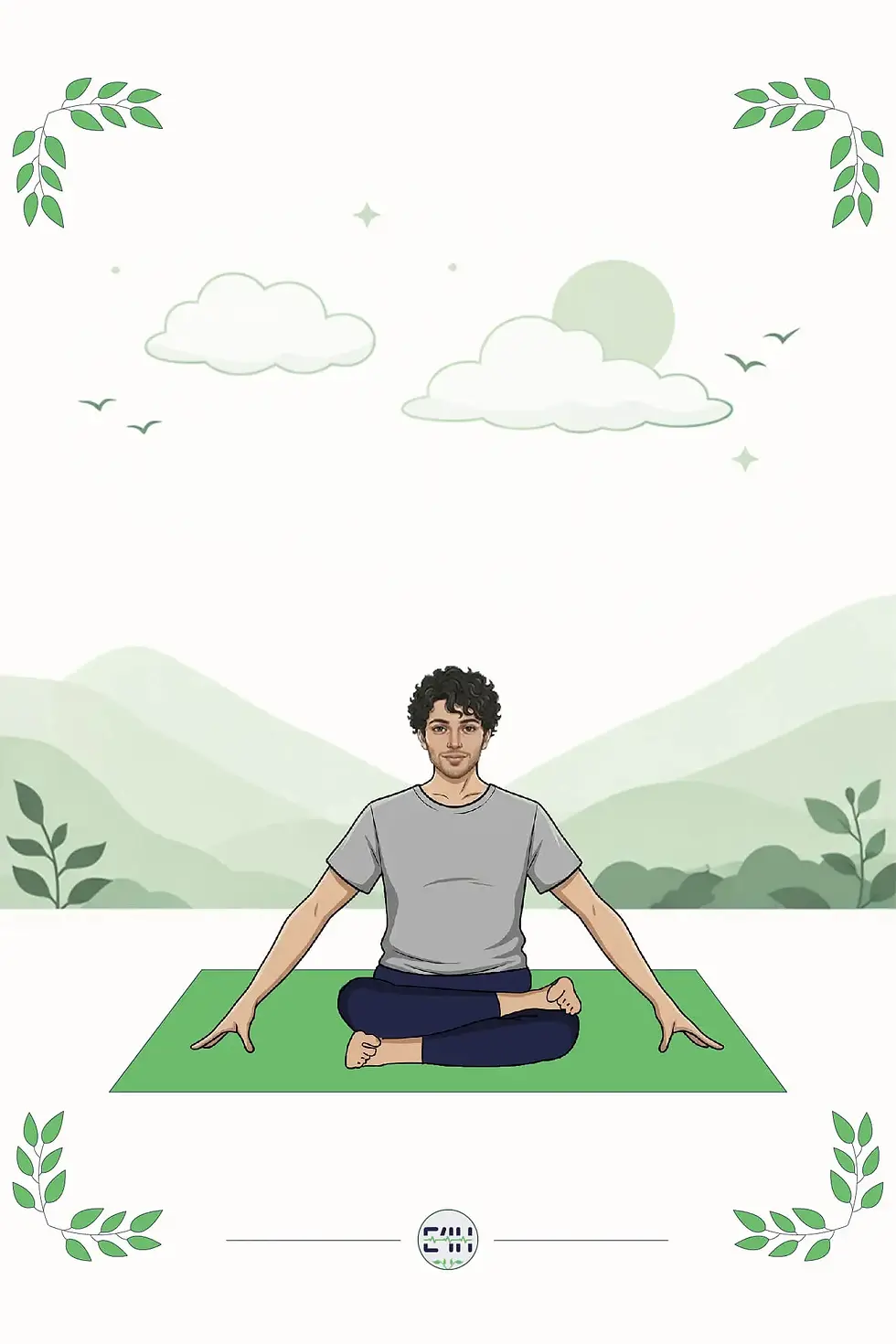
Fire Log Pose (Agnistambhasana) is a seated hip opener with the shins stacked, putting the focus on outer hips and glutes without forcing a big range. It shows up often in yin and slower hatha because it holds steady and makes left–right differences obvious. Compared with a basic cross-legged seat, it feels more specific and usually deeper, especially after standing work. In class it’s often placed late as a longer hold to downshift, then the sequence eases into gentler finishing poses.
Target Areas
Members unlock a clear, consistent summary of what body regions this pose loads or opens (primary + secondary), so users immediately know what it targets without reading the full instructions
Category
Seated and Kneeling
Recommended Use
Household Item Benefits
Members unlock simple programming guidance for this pose, including holds/breaths, weekly frequency, and best timing within a session:
-
Holds/Breaths: Members unlock clear breath or time targets per attempt and a sensible total volume
-
Frequency: Members unlock a realistic weekly cadence based on intensity and recovery needs
-
Timing: Members unlock where it fits best (after warm-up, skills practice, strength sessions, or restorative work)
Type
Isometric Hold
Benefits (results vary)
Household Item Benefits
Members unlock short, structured benefits written in the same bullet format across all yoga poses, focusing on strength, mobility, and control outcomes:
-
Strength outcome: Members unlock what area gets stronger or more load-tolerant (e.g., wrists, shoulders, glutes, trunk)
-
Mobility outcome: Members unlock what range-of-motion improves (e.g., hips, chest, hip flexors, hamstrings) and why it matters
-
Control outcome: Members unlock what skill improves (balance, compression, anti-rotation, cleaner entry/exit)
-
Carryover outcome: Members unlock where users typically notice the difference (posture, overhead reach, hip extension work, hands-supported balance)
Important Note
These poses work best when you breathe naturally and let the body relax. A calm, parasympathetic state reduces protective muscle guarding, so range improves without forcing. Move in slowly, pause, and soften any bracing before going deeper. Hold a comfortable position long enough for the stretch response to settle because duration matters more than depth. Longer holds are fine if they stay easy or a qualified instructor recommends it.
Disclaimer
Information on this page is for general educational purposes and is not medical advice. Practice within a pain-free range and stop if you feel sharp pain, dizziness, numbness, tingling, or worsening symptoms. Consult a qualified professional before practicing if you are pregnant, recovering from injury or surgery, or have significant spine, joint, blood-pressure, or neurological conditions.